Kashmir has the most popular festivals that incorporate Bahu Mela, Pahalgam Festival, Shikara Festival, Saffron Festival, and Kheer Bhawani Mela. The festivals are a manifestation of the rich culture, music and rituals and the assemblies that are found in the region.
Festival Tourism in Kashmir: Complete Guide to Celebrations
Kashmir boasts of stunning scenery; however, the best aspect of the area can be enjoyed when it comes to its colorful festivals. Festival tourism provides an additional attachment to the traditions, beliefs, and cultural heritage in Jammu and Kashmir for the traveler. The region is home to various celebrations that are marked throughout the year, and that show the diversity of the communities and rich history. These are the most common festivals, like Eid, Diwali,and Holi, and some special local festivals that are present in this Himalayan region, oftentimes tourist experience during Kashmir Holiday Packages.
The uniqueness of Kashmiri festivals lies in the fact that they are colorful, full of folk songs, traditional dances, rituals, and the meetings of communities. These festivals are very lively and full of music, the local food, and the local costumes. To cultural enthusiasts, spiritual seekers, and tourists who desire to experience the living heritage first-hand, festivals are a great way to experience and get involved in the activities of the living heritage, both in the Jammu region and in the Kashmir Valley.
What is Unique about Festivals?
The Kashmir region has a high cultural diversity, which is represented in festivals. The Hindu, Muslim, and Sikh traditions live in mutual harmony, leaving celebrations that tend to embrace everyone irrespective of their religion. This mixture of cultures is the basis of the distinctive festival heritage of Kashmir.
Different kinds of festivals are organized in the region, such as agricultural festivals, religious and mythological festivals, cultural heritage festivals, seasonal festivals, and honors for historical personalities. Every celebration will put the emphasis on the various aspects of local life and tradition.
Other elements that are common in most of the festivals are folk songs, traditional music, and lively dances. The traditional rituals of the past generations, colored traditional attire, and involvement of the community make the atmosphere alive. There is also an opportunity for the visitors to enjoy local cuisine, handicraft exhibitions, and cultural displays.
To tourists, the festival tourism can give them a chance to experience cultural immersion. It gives the visitors the chance to socialize with locals, capture the colorful festivals, discover the traditions, and book tours based on the seasonal events so that they can get the living heritage of Kashmir in their hands.
Chareece Festivals in the Jammu region
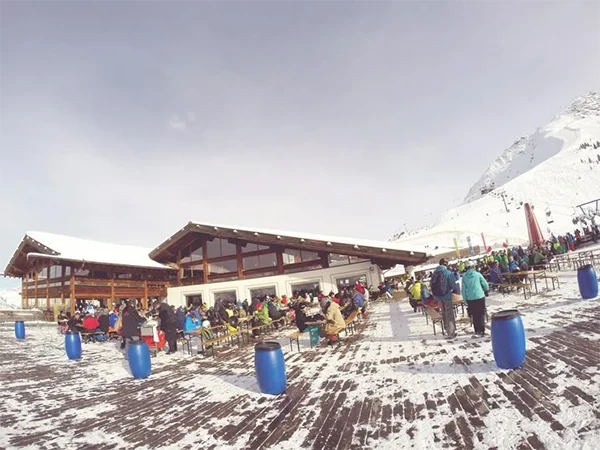
This is not the full list of major festivals that you can look forward to as long as you have a vacation in Kashmir. The festivals have their own theme and provide a different experience. Here is the list.
Bahu Mela-Fortress Festival
The Bahu Mela, one of the most significant festivals in the Jammu area, is celebrated in Bahu Fort. This historic fort, which was thought to be over 3,000 years old, is the venue of the event and is found approximately five kilometers away from Jammu.
It is held in two seasons every year, in March-April and September-October. During such times, thousands of worshippers attend the festivals.
Bahu Mela is directly related to the temple that is devoted to the goddess Kali or to Goddess Bawe Wali Mata. Worshippers go to the shrine to give prayers and get blessings. Amongst the rites performed during the festival is a holy dip in the local river known as the Tawi River that is said to cleanse the soul.
There are also cultural performances, local food stalls, and traditional marketplaces during the festival. Tourists will have the pleasure of joy rides, shopping for handicrafts, as well as enjoy the vibrant festive mood with panoramic views of Jammu city with respect to the fort.
Purmandal Mela- Shivratri Celebration
Purmandal Mela is a three-day festival celebrated during the Maha Shivratri in the historic town of Purmandal, which is about 39 kilometers from Jammu. The region is commonly called Chhota Kashi, or Mini Varanasi, due to the numerous ancient temples that are dedicated to Lord Shiva found here.
The divine union between Lord Shiva and Goddess Parvati is celebrated by the festival. During the celebration, devotees come to the temples and pray as well as perform rituals.
Key temples in the region are Ranbireshwar Temple, Panjbhaktar Temple, and a cave shrine known as the cave shrine of Peer Khoh Temple. In the festival, the pilgrims frequently make multiple visits to multiple temples within one pilgrimage circuit.
Religious processions, devotional singing, fasting, and night-long prayer sessions are some of the celebrations. Religious people also perform sacred baths in holy waters and share prasad with the guests. The festival has a very spiritual essence due to the decorated temples, traditional music, and the coming together of the community.
Jhiri Mela- Martyrs Memorial
The Jhiri Mela is a special socio-religious celebration which takes place in October-November each year at Jhiri near Jammu. It honors the martyrdom of Baba Jitto or Jitu Baba.
Local history claims that Baba Jitto was a level-headed farmer complaining of the unfairness of the oppressive landlord who wanted to get unfair shares of his crop. This was part of his sacrifice as a symbol of social justice and integrity, as he gave his life away as a form of protest against exploitation.
The festival is the celebration of his sacrifice and his message of trying to stand against oppression in the modern day. There are thousands of followers converging at the shrine of Baba Jitto to make prayers and offerings.
The festival consists of cultural shows, folk songs that tell the story of Baba Jitto, local fairs, handicrafts booths, and community meals called langar. As compared to religious festivals, which are purely religious, Jhiri Mela has a lot of social resonance that talks about honesty, the rights of farmers, and justice.
Pahalgam festival- Spring Festival
The Pahalgam festival is an interesting festival that is celebrated to signify the beginning of spring in the picturesque valley. The event is typically in the period between April and May, which coincides with the period when the valley is in blossom, and the weather turns favourable to tourism.
It has performances of local and national artists, such as traditional Kashmiri music, folk dances, classical concerts, and Sufi music sessions. The week-long festival also integrates contemporary entertainment like stand-up comedy, an art gallery,and cultural workshops.
Tonga rides, guided village walks, and interactive craft demonstrations can be offered to the visitors. Children’s areas are created, and street food kiosks provide genuine Kashmiri food.
The festival is a great combination of traditional culture and modern entertainment, making it a family-friendly event if you’re travelling with Kashmir Family Tour Packages, which helps to reflect the beauty and richness of the region in terms of culture.
Shikara Festival-Harvest Festival
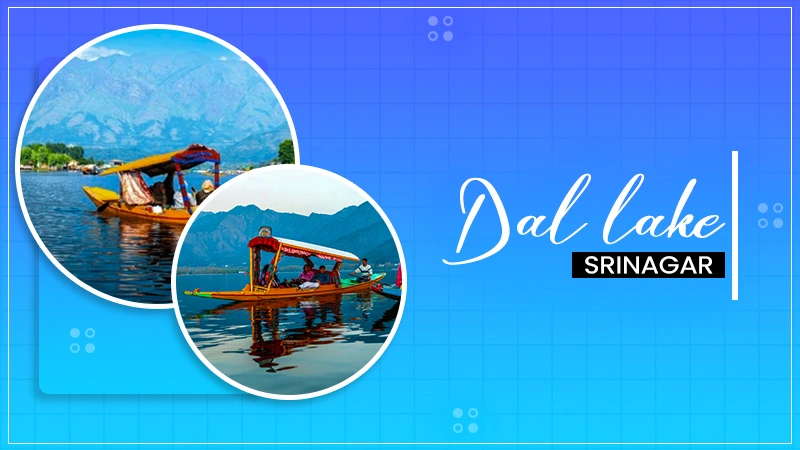
The Shikara festival is one of the most spectacular events of Dal Lake in Srinagar, which is conducted on the waters of Dal Lake. The festival features the traditional Kashmir wooden boats or Shikaras.
These boats are adorned with beautiful flowers, fabrics, and colored ornaments during the festival. They process in a gaily-colored pageant across the lake and form an inland carnival upon the water.
Saffron Festival- Harvest Festival
The Saffron festival is an event that is held in Pampore, which is commonly referred to as the saffron town of Kashmir. As the festival is celebrated in October and November, it marks the time of blooming and harvesting of the Kashmiri saffron, which is one of the most expensive spices in the world.
Tourists have an opportunity to visit purple saffron fields, observe a flower plucking demonstration, and get to know how they cultivate it. Sowing, harvesting, and processing of saffron are explained in educational film screenings.
The festival is also defined by the cultural performances, exposition of products made of saffron, and tastes of the dishes made of the spice. It gives the tourists and the farmers a chance to celebrate and promote this rewarding agricultural heritage.
Kheer Bhawani Mela- Holy Hindu Festival
It is said that the Kheer Bhawani Temple festival is one of the most significant religious events of the Kashmiri Pandit community. It is held on the eighth of the full moon in the month of May at Tullamulla, where it is held.
The temple is dedicated to Goddess Ragnya Devi, and thousands of worshipers come to pay their prayers. There is a divine spring inside the temple complex, which is thought to change colors, which is seen as a divine sign by the devotees.
The performance of the festival is fasting, serving kheer(sweet rice pudding) to the goddess, praying, and going around the holy spring. The air is filled with devotional music, incense, and offerings.
The occasion itself is representative of a composite Kashmir culture, and it depicts traditions of interfaith coexistence that have existed in the region since time immemorial.
Kashmir Unity Festival Features
Several festivals in Kashmir have common cultural aspects that give the festivals a colorful and memorable experience. Folk music and dance also contribute significantly to such traditional shows as Rouf, Hafiza dance, and the songs with the help of such musical instruments as Santoor, Rabab, and Tumbaknari.
The traditional clothes also bring color to such celebrations. During festival meetings, people usually put on embroidered pherans, traditional headgear, and other beautifully made accessories.
Kashmiri celebrations are also greatly involved with food. Grand dinners like the so-called Wazwan, sweet desserts, and the warm tea of Kehwa are often served. There are also handcrafted exhibitions in the festivals where people get a chance to witness the works of artisans who weave carpets, papier-mache art, make Pashmina shawls, and demonstrate a complex type of wood carving.
Preparing Your Festival Tourism Adventure
Best Time to Visit
Kashmir has festival tourism, which is felt all year long. The months of spring (March to May) are marked with some of the biggest celebrations in the form of Bahu Mela, Purmandal Mela, Kheer Mela, Bhawani Festival, and the Pahalgam Festival. The September to November season is characterised by minor religious festivals.
How to Participate
Festivals are usually attended by a large number of people, and people should research the dates of festivals beforehand and book accommodations early. Tourists are expected to dress decently, observe religious practices, and take photos only after seeking permission. Engaging in the rituals with respect and eating the festival food of the locals contributes to the cultural experience.
Accommodation and Travel
During the festival seasons, hotels and guesthouses are usually hard to get; therefore, at least a month or two of time is necessary to make the booking. Cultural experiences are offered in homestays, whereas houseboats are an exclusive way to spend a festival near Dal Lake. Hack services may get congested, hence pre-booked taxis or tour packages would be comfortable.
Cultural Etiquitte
Deference to local tradition is necessary when conducting festivals. Tourists are expected to take their shoes off when entering temples, not to disrupt prayer, and to respect other practices during ceremonies. Mingling with the locals in a polite way and favouring local artisans assists in maintaining the cultural practices and enhancing the ties within the community.
Favors of Festival Tourism
Festival tourism leaves the traveler with the most authentic experience of the Kashmir culture. Tourists are able to observe 100-year-old traditions, performances, and get to know the traditions of the region firsthand through the eyes of the locals.
Such festivals are also great for taking some unique photographs, including the colorful decorations, decorated venues, and natural scenery, full of festive atmosphere.
Food lovers will have the opportunity to enjoy the traditional food, street food, and community meals. Above all, festivals establish a platform of meaningful cultural interaction and enable visitors to see Kashmir outside of the stereotypes.
Conclusion
Festival tourism serves as an intriguing glimpse into culture-abundant Kashmir. These festivals are a reflection of the diverse heritage of the region, with religious pilgrimages, agro festivals, and vibrant cultural events. The Jammu area and the Kashmir Valley have their special celebrations throughout the year, which unite communities together with music, dance, rituals, and common traditions. In the case of travelers, it is not just a sightseeing tour; they would enjoy the festival and get to know more about Kashmir, its history, spirituality, and people. Just making a visit at a time of the festival and getting a taste of these festivities in a respectful way, one would really realize the cultural pulse behind the spectacular beauty of the so-called paradise on earth.
FAQs
1. What are the most attended Kashmir festivals?
2. What is the most appropriate time to take a festival tourism in Kashmir?
The ideal period to visit the festival tourism in Kashmir is between the months of March and May, and September to November. Every such month, there are numerous cultural and religious festivals where the visitors (both the local and foreign) join.
3. What is the festival practised in the Dal Lake in Kashmir?
The Shikara Festival is celebrated on Dal Lake, which is a well-known place at Srinagar. It has a beautiful boat procession and colorful shows on the water in this event, with shikaras in a beautiful decoration.
4. What are the cultural practices that tourists can visit in the Kashmir festivities?
The festivals in Kashmir allow tourists to listen to traditional Kashmiri music, folk dances such as Rouf, local handicrafts, local food such as Wazwan, and cultural practices of the local people, among others.
5. Are there any tourists in Kashmir during the times of festivals?
Kashmir has a lot of festivals to be easily visited by tourists. These festivals make Kashmir holiday packages or cultural tours a motivation of planning the tourists visiting the region so that they can enjoy their tours as well as see the region.

Related Post