Ans: The climate of Jammu and Kashmir is unique due to its extreme topographic variation, leading to 4 different contrasting zones, named the hot, humid plains and the high-altitude cold.
Best Time to Visit in Jammu and Kashmir: Seasons, Weather
The climate of Jammu and Kashmir changes drastically by region and season, with heavy snowfall in winter and greenery as far as summer is concerned. The geography of the region has unique weather patterns that draw tourists all year long due to the contrasting weather patterns in the region.
You are thrilled by fresh snowfall, golden autumn scenery or even soft spring rain, and Jammu and Kashmir can present you with something to experience in every season. The impact of a changing climate in the region is a significant factor in tourism, activity and travelling experiences.
The climate of Jammu and Kashmir will be understood, and this will enable you to determine the most appropriate season to visit and well chosen kashmir holiday packages, depending on your travel needs.
Factors Influencing the Climate of Jammu and Kashmir
The main factors influencing the climate of Jammu and Kashmir include the Himalayas, Western disturbance, altitude, and monsoon winds. Let’s see how.
- Himalayas: The region is in the higher mountain range of the Himalayas, which includes the Pir Panjal, Zanskar, and Karakoram ranges. So the climate is always on the extreme side of winter.
- Western Disturbances: The disturbances created in the west create the majority of precipitation in the region, around 72%, causing snowfall.
- Altitude: As the altitude increases, the temperature drops, causing cold in the areas, and vice versa. Therefore, the high-altitude areas are mostly covered in snow throughout the year.
- Monsoon Winds: During summer, the southwest monsoon brings rain to the outer plains and lower hills. However, the high mountains block most of this moisture from entering the Kashmir Valley, which has a more temperate climate.
Climate Pattern of Jammu and Kashmir (Seasons)
There are mainly 4 different climate patterns in Jammu and Kashmir, namely winter, summer, autumn, and spring.
Winter: (Dec -Feb)
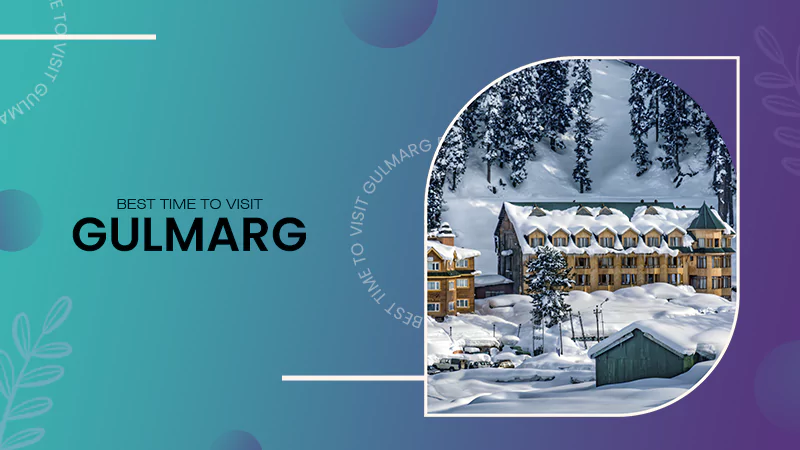
The months of December, January, and February are the coldest months of the year in Kashmir, as the valley is covered in snowfall, heavy rain, and mist. The climate of Jammu and Kashmir is winter changes quickly from winter to freezing temperatures.
Gulmarg is the best destination for winter tourism because it has Gulmarg tour packages .attract tourists to experience skiing and snowfall.
Spring: (Mar-May)
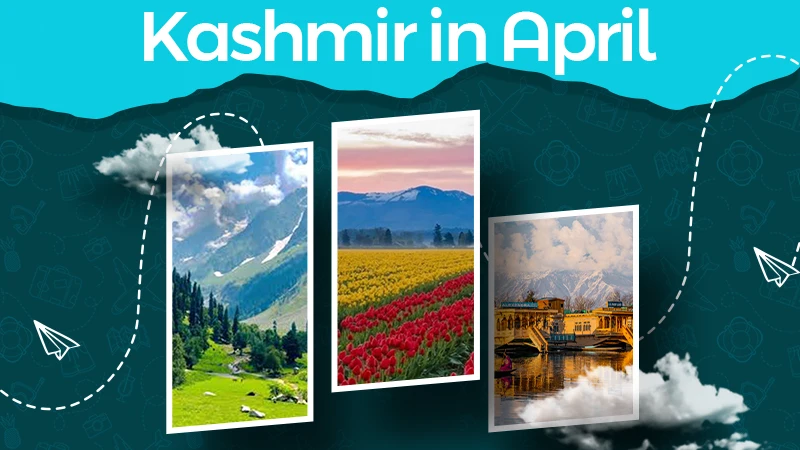
The climatic conditions from March to May in Jammu and Kashmir come to be pleasant and mild. Kashmir in general has pleasant weather, which gradually becomes a little colder in the evenings and early morning hours as spring begins with melting snow and the blooming of flowers.
Whereas Jammu experiences a gradual rise in temperature and witnesses hot climatic conditions in the daytime.
Hence, the weather is considered ideal for sightseeing, and you can expect occasional showers and thunderstorms.
Summer: (Jun-Aug)
Jammu and Kashmir experience contrasting climates during this season. The plains in the Jammu region often witness hot climatic conditions, often ranging between 25°C and 27 °C.
To your notice, June is considered the hottest month, witnessing scorching heat and relief after the July and August monsoon and showers.
Whereas in Kashmir, the weather is generally pleasant, typically ranging between 14°C and 30°C. Hence, it is considered the peak season for visiting Srinagar, Gulmarg, and Pahalgam.
Autumn: (Sep-Nov)
The post-monsoon season welcomes the travellers with chilly weather and winter moods. It is widely considered the best time for tourism due to clear skies, pleasant weather, and the vibrant golden-red colours of the Chinar trees. In Kashmir, the daytime weather ranges from 25 °C to 27 °C during the day, whereas nights begin to cool down to approximately 11 °C to 13 °C.
Hence, mid-September to October is ideal for witnessing the autumn magic and the golden look in the landscapes.
How Does the Climate of Jammu and Kashmir Affect Tourism?
Irrespective of all the different conditions of climate in Jammu and Kashmir, the tourist prefer only two seasons for touring: winter and summer. And choose Kashmir family tour packages and Kashmir Honeymoon packages based on their preference.
- Winter Tourism: The tourism in the cold regions like Gulmarg heavily depends on the climate of Jammu and Kashmir, as the tourists mostly visit this region for the snowfall for skiing and snowboarding. If your love for the climate of Jammu and Kashmir is on the cold side, you must visit the place during winters.
- Summer Tourism: The summer travel to Jammu and Kashmir is the best for greenery and nature enthusiasts, as the lush greenery is spread over an infinite range, making the place seem like a paradise. So, if your sole purpose for the visit is to enjoy snowfall with your naked eyes, this is not the right time.
Conclusion
In a nutshell, Jammu and Kashmir is the heaven on Earth and experience the tourist crowd throughout the year. So before planning a trip, checking out the climatic conditions throughout the year can help you make informed decisions about packing and other things.
Additionally, the peak season to explore is April to June, ensuring comfortable and pleasant weather.
FAQs
Q1. Why is the climate of Jammu and Kashmir unique?
Q2. What are the different seasons in Jammu and Kashmir?
Ans: The different seasons in Jammu and Kashmir are spring, summer, monsoon, winter, autumn, and severe cold.
Q3. Is Jammu and Kashmir rainy?
Ans: The region of Jammu and Kashmir is rainy but not as much as other parts of India, as the Pir Panjal mountain range blocks the monsoon.

Related Post