Top Things to Do in Srinagar, Kashmir for an Unforgettable Trip
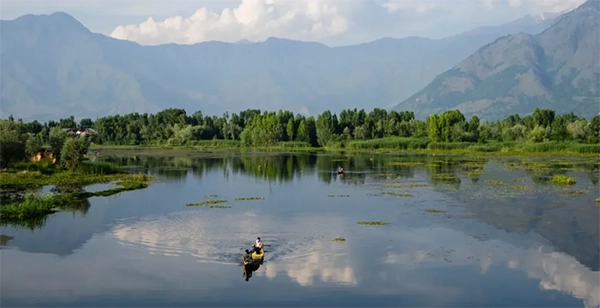
The summer capital of Jammu and Kashmir, Srinagar, is a literary and artistic oasis in the heart of the Kashmir Valley, surrounded by the majestic Himalayan mountains. It is an ever-evolving canvas illustrating the perfect harmony between nature, culture and history.
People here are accustomed to a slower tempo of life shaped by lakes, gardens, rivers and hundreds of years of tradition. A trip to Srinagar is about experiencing the mood of the place, being captivated by the tales of the wooden boats and gazing at the sunset colours mirrored in the calm waters. Though each season revitalises the appearance of the city, Belfast’s spirit will always be preserved.
Best things to do in Srinagar
Srinagar presents an extensive array of experiences that can effortlessly occupy multiple days of your travel plans. From serene shikara rides on the famous Dal Lake to visiting historic sites and vibrant Mughal gardens, the city harmoniously combines stunning landscapes with a deep cultural heritage, guaranteeing that every visitor discovers something unforgettable.
1. Experience a Traditional Houseboat Stay on Dal Lake
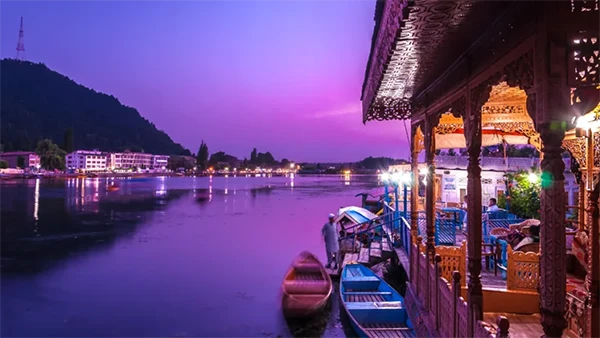
The Dal Lake in Srinagar is the visual and emotional centre of the city. The lake’s large areas of water mirror back the snow-capped mountains above, the drifting clouds and the tranquil flow of life on the surface.
The Dal Lake comes alive at dawn and stays alive until dusk, as the elegant wooden homes, known as shikaras, quietly glide across the lake and the houses that were there were reminiscent of another time and experience. To experience all the lake has to offer, you need to spend time in a houseboat.
Houseboats are among the most immersive ways to enjoy life on Dal Lake. A houseboat is made of wood and fits into a category of intricately carved and decorated wooden structures that provide an interior and the daily use of this type of accommodation, as well as an experience of staying on the water.
If you wake up and watch the sun rise, you will see the gold colour reflected in the water with many different colours from different angles of the lake. As you look down at the water, the sun begins to set, and the light is reflected in gold and creating an incredible experience that comes from watching it; you will feel a sense of being detached from the outside world while on the lake.
2. Enjoy a Shikara Ride on Dal Lake
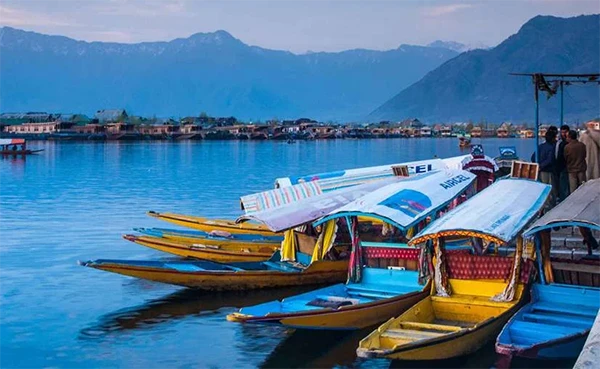
In addition to being a great way to see the city of Srinagar and its surrounding countryside by water, riding on a shikara also gives us an insight into how people live their lives every day in this beautiful city. Shikaras serve many different purposes; they are used for transportation, agriculture, trade and meeting other people. While gliding over the lake, you will see floating gardens that produce vegetables on beds of reeds, children using their shikaras to go to school and vendors selling various items like flowers, fruits and crafts directly from their boats.
Every morning is like a fairy tale; the lake is home to the floating markets, and everything is done in a very quiet manner. People exchange their goods with each other by using very soft voices while they are still in their shikaras. If you are a photographer, then this is a great time to take pictures of these floating markets because they look very beautiful! It is a real cultural experience and an opportunity to see the culture as
There is nothing artificial or staged about this experience. Riding a shikara at sunset when the sky changes from blue to orange is an unforgettable moment!
Also Read: Best Places to Visit in Srinagar
3. Exploring the Mughal Gardens of Srinagar
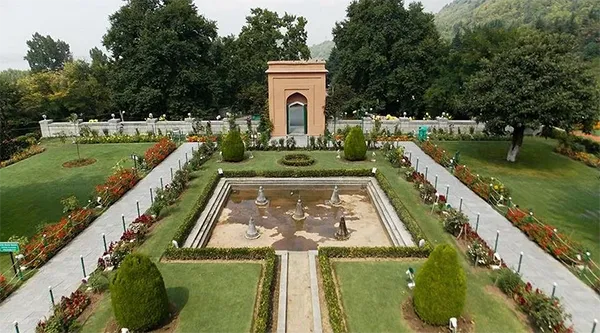
The Mughal gardens of Srinagar are examples of how symmetry, water and landscape can combine to create a magnificent environment. The Mughal gardens were conceived and built hundreds of years ago as conceptual representations of paradise on this planet.
The terraced lawns, the flow of the fountains and the layout of the flowerbeds were all designed for reflection and relaxation. Shalimar Bagh, the most recognised of the Mughal gardens, was built as a royal retreat. Walking through the various terraces of the garden will transport you back in time. Waterways draw your vision, while the cool shade of the chinar trees gives you relief from the heat of the sun.
Nishat Bagh, which is about the same size as Shalimar Bagh, has Dal Lake as its backdrop and offers a view of the water and the mountains. The terraces of Nishat Bagh each have their own beautiful view to discover, so you will find it hard to resist taking a break to admire each of them.
At Pari Mahal, which is located at a higher altitude on the hillside, you will see how an architectural ruin blends into a garden design. The view of Srinagar from the top of Pari Mahal is magnificent, and a fantastic sight at sunset. Chashme Shahi, the smallest and quietest of the four gardens, is known for its natural spring and sense of serenity. Collectively, these four gardens show how Srinagar has developed a balance and harmony with nature.
Also Read: How to Reach Srinagar
4. Srinagar Old City: Heritage Streets & Local Life
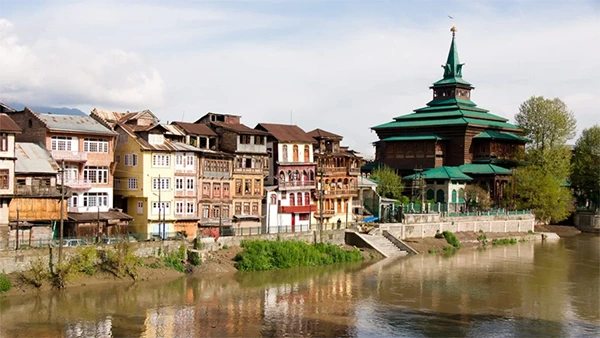
Srinagar’s Old City comprises a collection of winding alleyways, timber-framed buildings, and bustling marketplaces that reflect the true essence of the city. The area has been marked by many events throughout its development and therefore has a wealth of cultural heritage.
The architecture in this part of the city includes examples of traditional Kashmiri architecture with a rich history, such as highly embellished wooden balconies and latticed windows. When you wander through the streets, you are transported back in time as modern influences retreat into the background.
Srinagar’s Old City has a number of local markets that offer an abundance of fresh-baked bread, spices, and street food. Copperware, textiles, and home wares are all sold in these markets, and the artisans who work here continue to practice their craft, which has been passed down from generation to generation.
The conversation in these markets flows easily, and visitors are often met with friendly curiosity. This area of Srinagar gives visitors a much more comprehensive view of the daily life of the people living there than just the pretty scenery.
5. Explore Shankaracharya Hill
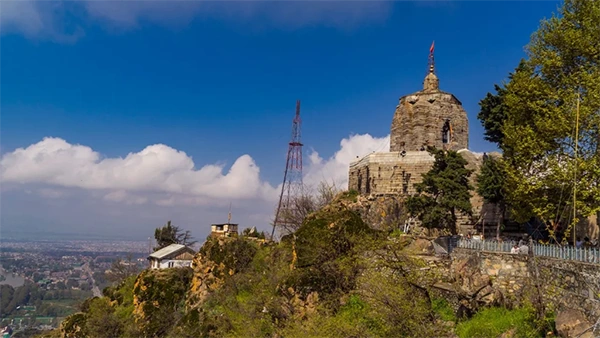
The top of the Shankaracharya Hill provides an excellent viewpoint of Srinagar, with an impressive view from above. The area where the temple sits is thought to have existed for thousands of years, as it has been worshipped throughout history.
The ascent, while steep, rewards one’s soul and provides a great view of the area. The view from the top of Shankaracharya Hill reveals Dal Lake, which reflects all the beauty around it, and gives you a glimpse of many beautiful layered patterns that form the neighbourhoods of Srinagar.
As you look toward the mountains surrounding Srinagar, you will see their role as a boundary to the valley area. There is a great balance between being in a state of calmness at the top of the hill and experiencing the vibrant daily activities of the people below.
6. Lal Chowk: Modern Cultural & Shopping Hub
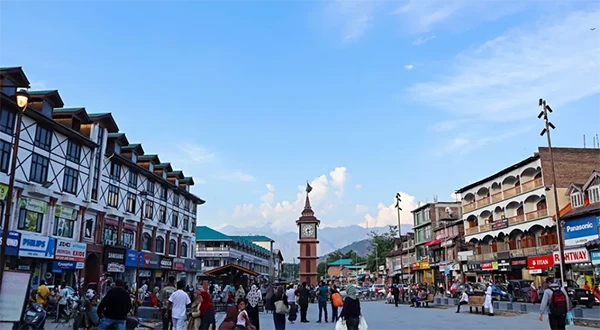
Modern-day Srinagar is symbolised by Lal Chowk, a location where political, economic and other aspects of daily urban life intersect. The area comprises a central square across which are located parks and gardens, including two major railway stations and bus depots.
Shops, cafes and roads crisscross the area, giving it life. It is where people of Srinagar gather, shop for groceries or produce, and meet friends. It provides visitors with an opportunity to experience an aspect of the current pace of Srinagar.
The shopping options available in Lal Chowk will range from the large branded retailers to small local vendors that create and sell handicrafts and other clothing products.
The street food vendors add even more vibrancy to this area, and it really comes alive after sunset on many weekends. As the identity of the city continues to evolve and expand, it seems to strike a balance between the city’s traditional and modern aspirations.
7. Taste Authentic Kashmiri Cuisine
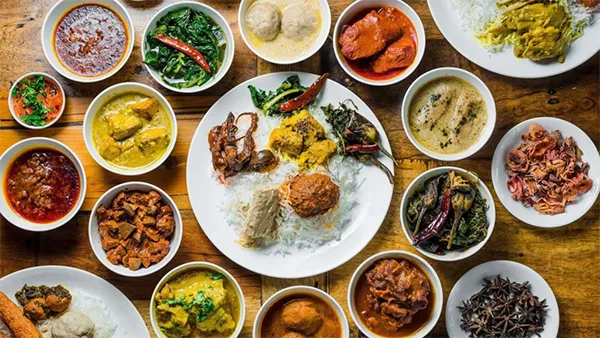
Food is an important part of how we identify as part of a culture and demonstrate hospitality. In Srinagar, the values associated with food reflect who we are as a people. Food has been an integral part of our lives since the beginning of recorded history, so it is deeply ingrained in our culture.
Kashmiri food is characterised by its use of a wide variety of spices, herbs and condiments, and over the last few hundred years, Kashmiri food has been influenced by the availability of foods native to the region.
One type of food that has remained common throughout history in Kashmiri culture is known as Wazwan, which consists of many different courses of food that are shared among family members and friends. Kashmiri food is cooked slowly at low temperature, often resulting in very rich sauces being created from the meat used to make the dish. Vegetarian foods from Kashmir are also very enjoyable to eat.
The fresh ingredients used in the cooking of Kashmiri vegetarian foods are often found in local plants, such as lotus stems, yoghurts and seasonal vegetables. Tea drinking is a tradition in the Kashmiri culture, consuming tea throughout the day and especially during the winter months.
Meals are not only about feeding your body, but also sharing the happiness associated with good food with family and friends while telling the stories and observing the customs associated with each meal.
8. Handicrafts and Shopping Experiences

Srinagar, in Kashmir, India, has many options for those interested in handicrafts and traditional crafts. In addition to the city being known for some of the best hand-woven carpets around, it is also home to an array of high-quality shawls, beautiful all-natural papier-mache products, and incredibly detailed wooden carvings.
Purchasing items handmade in Srinagar is more than just buying something; it’s a unique experience. Many of the small workshops and family-owned/tiny shops in Srinagar will allow you to see the artisans creating their products, which will give you further insight into the artistry involved in creating the items you purchase.
You will see evidence of this artistry and craftsmanship in both the busy marketplaces of Srinagar and in the quieter side streets.
Nearby Lakes and Quiet Escapes
On the other side of Dal Lake, the city of Srinagar is also surrounded by a number of smaller, quieter lakes that allow for more peaceful options than Dal Lake. Nigeen Lake is viewed as being more tranquil than Dal Lake, which provides a nice alternative for visitors to Srinagar who are looking for some peace and serenity.
In addition, due to Nigeen’s quieter waters, visitors have greater opportunities to take leisurely boat rides or to find time to simply reflect. The quieter sections of the lakeside also allow for greater opportunities for relaxation and reading.
Visitors can also enjoy watching the changing colours of light as they travel across the mountainside. There is a side of the lake that displays Srinagar’s feeling of solitude and reflection rather than showmanship.
Historical Sites and Fortified Landscapes
The Landscape of Srinagar tells the story of its past through Forts, Shrines and Ruins, which dominate the city. The Fort of Hari Parbat has been a central point for culture and strategy for thousands of years because of its height over the valley, even though it is hard to reach. Its position on the skyline makes everyone want to know more about all the historical things it has witnessed.
These sites give visitors insight into what it was like in ancient times, during the days of the dynasties, as well as more recent history. They also show visitors that the beauty of Srinagar is not only the result of nature, but also of time and labour by people through the ages.
Festivals, Traditions, and Local Life
Cultural celebrations are integral to Srinagar’s culture. Through Festivals, seasonal events, and community celebrations, the city is filled with music, colour and collective happiness. Visitors can enjoy both traditional clothing and local art, as well as see the harmony of the community through these celebrations.
Many aspects of daily living in the city are ritualistic and include everything from morning prayers to walking along the river in the evening. These daily rituals tell you about how the City of Srinagar sees itself in relation to the Universe, and how to live in a certain manner.
A City That Lingers in Memory
In addition to being an impressive city, Kashmir’s capital, Srinagar, is also home to many intimate moments of beauty and connection. Examples of this include the way that mountain reflections shimmer on lake surfaces, the warmth and companionship shared by people drinking from the same cup of tea, as well as the echo of footsteps created by visitors walking through centuries-old gardens.
Visitors find opportunities to take it all in more slowly, to look at everything closely, and to really get a feel for what Kashmir has to offer.
By visiting Srinagar, you are able to enter a place that feels somehow softer than other times in your life, where the beauty of nature and all of the rich culture and traditions of Kashmir exist in symbiosis and harmony.
Every moment has a definite depth of character to it that will remain in your memories long after you’ve left, as you continue to revisit in your heart a place that is both special and timeless, the Capital City of Kashmir.


Related Post