
Mughal Gardens in Kashmir: A Timeless Blend of History & Beauty
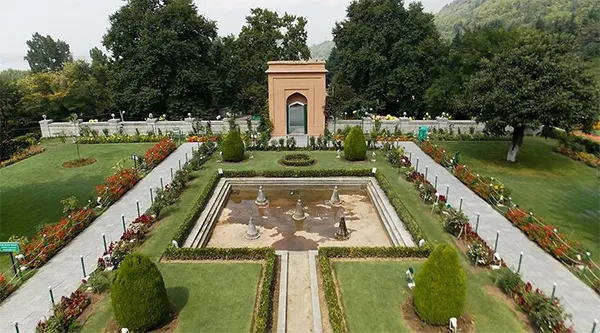
The beautiful Mughal Gardens of Kashmir are a perfect combination of Nature’s Beauty and the History of the Architecture of the Mughal Empire in the region. The Mughal emperors, who fell in love with the serenity of the Valley, built these extraordinary gardens based on the ideal image of Paradise in the Persian Culture.
The terraced layouts, channelling of flowing water, majestic Chinars and the Views across Dal Lake to the surrounding Mountains continue to inspire people from all over the globe. Not only do these gardens provide visitors with an escape to scenic beauty, but they also provide a link between the Cultural Heritage, Artistic Achievements and Imperial Vision of Kashmir.
By visiting the Gardens, you are not only entering a breathtakingly beautiful experience, but you are also gaining a deeper understanding of the rich cultural history of Kashmir.
The Eternal Allure of the Mughal Gardens
Kashmir’s Mughal Gardens rank among the best examples of landscape artistry in existence today. They reflect an integration of Persian design principles with the natural environment and imperial imagination.
Mughal Gardens were developed at the height of the Mughal Empire as a reflection on earth of Paradise, which relates to the Persian idea or concept called Bagh.
A theme that continues to captivate both tourists and historians, while also appealing to nature enthusiasts, even after hundreds of years have passed, the gardens have been designed within an elaborate sequence of layered terraces, watercourses that flow to various watering areas and vistas overlooking the Zabarwan Mountains.
To truly appreciate the value and importance of these gardens, you must first understand both the aesthetic aspect of their design and where they came from; these Gardens also tell the story about the continuing effects of Mughal Indian architectural and cultural heritage, as they are more than just beautiful places to visit.
Exploring the Rich History of Mughal Gardens
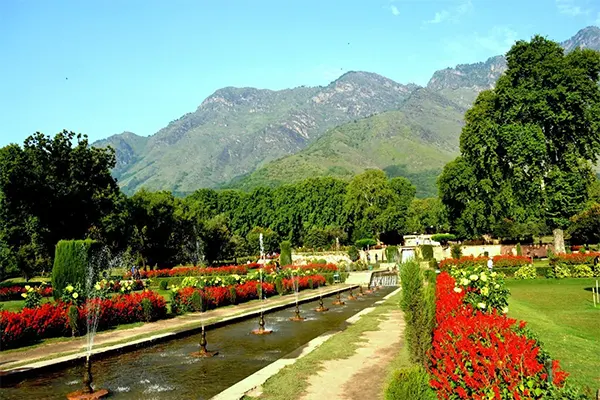
The history of the Mughal gardens in Kashmir begins with the Mughal Emperors being enchanted by its unique combination of climate, location, and tranquil environment. Emperor Jahangir wrote that if there was a paradise on Earth, Kashmir would be it, and this poetic sentiment motivated many of the stunning designs for Kashmir.
The Mughal Emperors did not think of Kashmir merely as a vacation spot but rather as a canvas that could be used to express their artistic philosophy. Persian-style gardens were a fundamental principle of the Mughal aesthetic, and the environment of Kashmir gave the Mughals an opportunity to create gardens that would exceed anything they had designed before.
With the assistance of architects, horticulturalists, and artisans, the Mughals created gardens that utilised the natural characteristics of the land to create spectacular environments that were shaped in harmony with nature and demonstrated their understanding of symmetry.
The Cultural Essence of Charbagh Design
The Charbagh design is the template from which most Mughal Gardens are formed; each quadrant represents one of the four rivers in paradise. Although the landforms of Kashmir force the designers to adapt their own ideas, the concept of creating a visual balance is still foremost.
Not only is this example of balance achieved through equal spacing and alignment of elements, but it is also achieved with the use of waterways. Water channels run between the divisions of the garden, and the terraces have been constructed in such a way that they “flow” downwards with the slope of the land.
The placement of pavilions is critical to creating views from various angles throughout the garden. The Mughals believed that by having balanced landscapes, one would be able to have time to think, contemplate, relax, reflect on life, and feel closer to God.
The spiritual aspect of the gardens can still be experienced today, whilst strolling along the tranquil paths, or gazing into a peaceful pool reflecting the snow-capped peaks of the Himalayan mountain range.
Top Mughal Gardens to Explore in Srinagar
Nishat Bagh: A Garden of Joyful Grandeur
The Garden of Joy (Nishat Bagh) is one of the largest Mughal Gardens in Jammu & Kashmir. This twelve-terrace garden was established by Asif Khan (brother of Empress Nur Jahan) on the eastern shore of Dal Lake.
Each terrace has its own distinct character with fountains, chinar trees along the pathways, and flowering plants uniquely selected for that terrace. Visitors to Nishat Bagh find that something is surprising when walking on the ten terraces: the combination of the sheer height of the terraces with the expansive landscape of Dal Lake, and the mountain range (Zabarwan) providing a backdrop.
Shalimar Bagh: The Abode of Love
Empress Nurjahan had Shalimar Bagh built by Emperor Jahangir. It has advanced beyond being simply a garden; it now represents the pinnacle of how gardens evolved through the Mughal Empire.
Shalimar Bagh was created over several terraces, wherein each terrace has been assigned a unique architectural character reflective of that specific tier. The NA, which serves as the focal point of the garden, showcases an incredible amount of skill, refinement and emotion embedded within its creation.
The emotional aspect within Shalimar Bagh comes from its origin and the time out which it was created. Shalimar Bagh embodies emotion through features such as stone-lined channels and terraces filled with intricately carved marble fountains and overhanging chinar trees that provide shelter to visitors.
The beauty of Shalimar at dusk, and as sunlight fades away and is reflected back in the wet channels of the garden, allows visitors to understand why this site was so cherished by emperors as a point of reflection and beauty for their lives and devotion.
Chashme Shahi: Spring of Royal Delight
Although Chashme Shahi is less extensive than comparable Mughal gardens, its charm stems primarily from its natural spring, hence the name of the garden. Constructed during the rule of Shah Jahan by Ali Mardan Khan, the focal point of Chashme Shahi is a sacred spring whose waters flow over three terraced levels.
The Mughals attributed rejuvenation properties to the waters of this spring; because of this, the spring’s waters possess a bright, clear, and pure appearance, thus giving the area an air of refreshment. As with other Mughal gardens, Chashme Shahi exhibits a strong sensitivity to working with the natural environment rather than overpowering it.
The layout of the garden paths follows the contours of the land; all of the decorative elements have been kept to an absolute minimum in order that the flowing water of the spring and the greenery surrounding it may create the overall effect of the garden.
The organic quality of the garden makes Chashme Shahi a unique representation of Mughal architecture and design that is in perfect harmony with nature.
Pari Mahal – The Fairytale Palace of Kashmir
Pari Mahal is not just any Mughal garden. Its beautiful design and long history make it a must-see in Kashmir. This lovely palace was built by Dara Shikoh, the oldest son of Emperor Shah Jahan. It sits on a hill above the calm Dal Lake.
Pari Mahal has seven lovely terraces. Each terrace offers stunning views and detailed Mughal architecture. Even though it is in ruins, the palace still has a timeless beauty. This draws in history lovers, travellers, and photographers. Pari Mahal is one of Kashmir’s most unique and beautiful historical sites. It is surrounded by peaceful gardens and landscapes.
The Role of Water as a Living Element
For the Mughal Gardens, Water represented more than just an aesthetic element; it had a deeper connection to life and the spiritual. In both Persian and Mughal culture, running water has always been a symbol of abundance as well as a source of spiritual renewal.
The Mughal Gardens of Kashmir incorporate this concept with a complex hydraulic system that consists of aqueducts, cascades, fountains and pools. The sound of flowing water creates a calming atmosphere, and its cooling effect makes summer visits enjoyable.
The Mughals had a great understanding of how to effectively incorporate water to encourage people to look in different directions, either towards the architecture of the Gardens or elsewhere in the natural surroundings.
They added life to the Gardens by providing an ever-changing, evolving environment, as each time visitors return to the Gardens, or at different seasons of the year, or at different moments, they experience something unique.
The Chinar: Icon of Kashmir’s Mughal Legacy
The chinar tree must be included as a major part of the Mughal gardens. The chinar tree, with its impressive, dramatic shape, is representative of the nature of the Mughal gardens.
The Mughals planted chinar trees in many Mughal gardens not only for their shade but for their beauty as well. In particular, when the chinar tree turns colour in autumn (in shades of red, orange and gold), it provides a dramatic scene to behold.
The chinar tree has been present in Kashmir from the time of the Mughals, and its presence now continues this legacy. Today, there are many people who still come to the Mughal gardens and enjoy sitting under the chinar tree, which has been there for centuries. It has provided a way to connect the past with the present through time (through the four seasons).
Planning Your Visit to Mughal Gardens, Kashmir
Best Time to Visit
The best time to visit the Mughal Gardens in Kashmir is in the spring and fall, when the gardens are at their most beautiful:
Spring (March to May):
The gardens come to life with bright colours as flowers bloom all over the place. This is a great time for photographers and nature lovers.
Autumn (September to November):
Enjoy a golden-hued paradise with nice weather, perfect for peaceful walks and taking in the peaceful surroundings.
Visitor Tips for a Comfortable Trip

Wear Comfortable Shoes
The gardens are big, and the paths can be bumpy, so you need to wear shoes that are comfortable.

Stay Hydrated and Protected
Bring water, sunscreen, and a hat to stay safe and comfortable while you’re there.

Beat the Crowds
Get there early in the day to enjoy the gardens when they are at their most peaceful.

Respect the Heritage
Don’t damage the plants or buildings in the gardens to keep their historical and cultural value.
Experiencing the Gardens Today
At present, visiting the Mughal Gardens allows visitors to enter an ongoing conversation among history, time, and the natural environment. The garden’s landscapes consist of centuries of design excellence and artistic expression and are rich in the experience of their creators.
While walking through the terraced columns of Nishat, experiencing the Romantic structures of Shalimar, or drinking the clean spring water from Chashme Shahi, one has the opportunity to connect with the past and feel connected to the lives and ideas of those who built these gardens.
The gardens inspire us to recreate art in our own lives by giving us time to reflect and to find our own place among the stars in connection to others who share our passions and creativity with us.


Related Post